Showing posts with label Infanta. Show all posts

Pink Dethrones Silver

For the longest time, the Silvery Kingfisher topped my list of favorite kingfishers. I first saw one in Bohol before the species was split into Northern and Southern types. Between the two, I've always preferred the Southern Silvery Kingfisher. It has been good to me—showing well every time I’ve gotten the chance to see it.

I lifer-ed it in February 2013 during an ocular trip toPasonanca Natural Park in Zamboanga, and again in 2014 during the 9th Philippine Bird Festival at the same site.

My very first Silvery Kingfisher in Pasonanca in 2013

In 2018, I got lucky again in Tacurong during the 12th PBF and Tacurong Bird Festival. At a later event, I was even gifted a beautiful painting by Tang Tuck Hong of the Wild Bird Club of Malaysia because we shared the sighting during that trip. The painting is framed and proudly hangs on my wall.

Thank you again, Tang, for this beautiful painting!

So yes, the Southern Silvery Kingfisher, with its dark palette and mesmerizing silver spots, reigned supreme on my list. Unbothered about being dethroned… until I found the pink one.

I didn’t even consider the possibility of seeing the North Philippine Dwarf Kingfisher anytime soon. Not even when my good friend Sean posted an AMAZING photo of the bird from one of his trips to Infanta in February this year. I just allowed myself to be jealous about it (and yes, maybe a little bitter haha!) but refused to dwell on the fact that I won’t be able to twitch it any time soon.

Post after post of the pretty little pink-and-orange-y Luzon endemic popped up on my Facebook feed from birder friends who have seen and photographed it. I swallowed the intrigue and kept my head down, focused on work, while it gnawed at my periphery. Until... Vinz messaged asking about a possible “twitch and run”, and I was raring to GO!

Surprisingly, no one had booked Francis (a local guide) on the Sunday we went. We picked him up and his son Mark joined us as an extra spotter. As always with a twitch, the nerves kicked in—more so because we had very limited time for this particular bird. We all needed to head back to Manila right after lunch! It was also the first time Vinz and I were forest birding together. We’d soon find out if we made a lucky combo or if we were jinxed.

We soon parked by the roadside and were slowly making our way down to the site the kingfisher has been seen. Thankfully, it was a very short walk and we were soon quietly scanning the trees for the bird. We stood on a ledge overlooking a slope, the air filled with the sound of rushing water, birdsong, and the occasional roar of passing engines.

Our view for the morning!

After fifteen minutes, Mark and Francis signaled to us —it was there! The tiny kingfisher suddenly perched at eye level, partially shadowed and hidden by leaves. I got a good look through my binoculars, snapped a few photos, and stepped aside so Vinz could view it too. It soon flew off and left us marveling at its quick appearance and my ticking off a lifer! Successful twitch! We were not a jinxed twitching combo! Should we go home now?

Of course not.

We waited for another appearance—and it did come back. This time, joined by a second North Philippine Dwarf Kingfisher, bringing food to feed the other one. 

The pair of North Philippine Dwarf Kingfishers - LIFER!

For the next four hours, we stayed in the area, being entertained by the appearances of the two beautifully-colored kingfishers. We were joined by Lau and we all enjoyed one kingfisher bringing food to the other.


The beauty of these kinds of sightings is that it allows you to observe the birds for a prolonged period of time, taking in all their minute field marks: the fine spots on the head, the ultramarine (ULTRAMARINE!) dots on the wings of the individual bringing the food, and their different shades of lilac, pink, and orange. Even their tiny bright red feet clutching the branches they perched on were a treat to observe. 

Ultramarine spots on the wings!

Such a pretty kingfisher!

Eventually, the kingfishers flew off and, having had our fill of the birds, our group moved on to a Scarlet Minivet nest nearby. 

Female Scarlet Minivet sitting on its nest waaay up high!

We left Lau at the site, dropped Francis and Mark at their house, and made our way back to Manila. We celebrated the kingfishers and our lucky twitching combo with pizza, sisig, and ice-cold Coke in a restaurant along the highway.

Happy twitchers with guide Francis and his son Mark

On the drive home, we reflected on our luck, the sheer beauty of the North Philippine Dwarf Kingfisher, and the feeding behavior we witnessed. It was then that I decided – or maybe realized – that it had dethroned the Southern Silvery Kingfisher from the top spot on my kingfisher list. I thought that wasn’t really partial to pink (most of my clothes are black or some neutral color or with some sparkle) but in this instance, pink trumps silver. Hands down.

Sharing a video of the two North Philippine Dwarf Kingfishers, one bringing the other a nice, big cicada. Enjoy!
More Lifers from Infanta!

I had been itching to bird for quite some time now, but admittedly was feeling too tired (and yes, too lazy) to go out. The burnt out teacher in me always won, and with Djop out on field for the next few weeks, I simply stayed at home. But my lucky birding stars wouldn't allow that so when I got an invitation from Sir Chin on Sunday to go birding in Infanta, Quezon on Wednesday, I said yes!

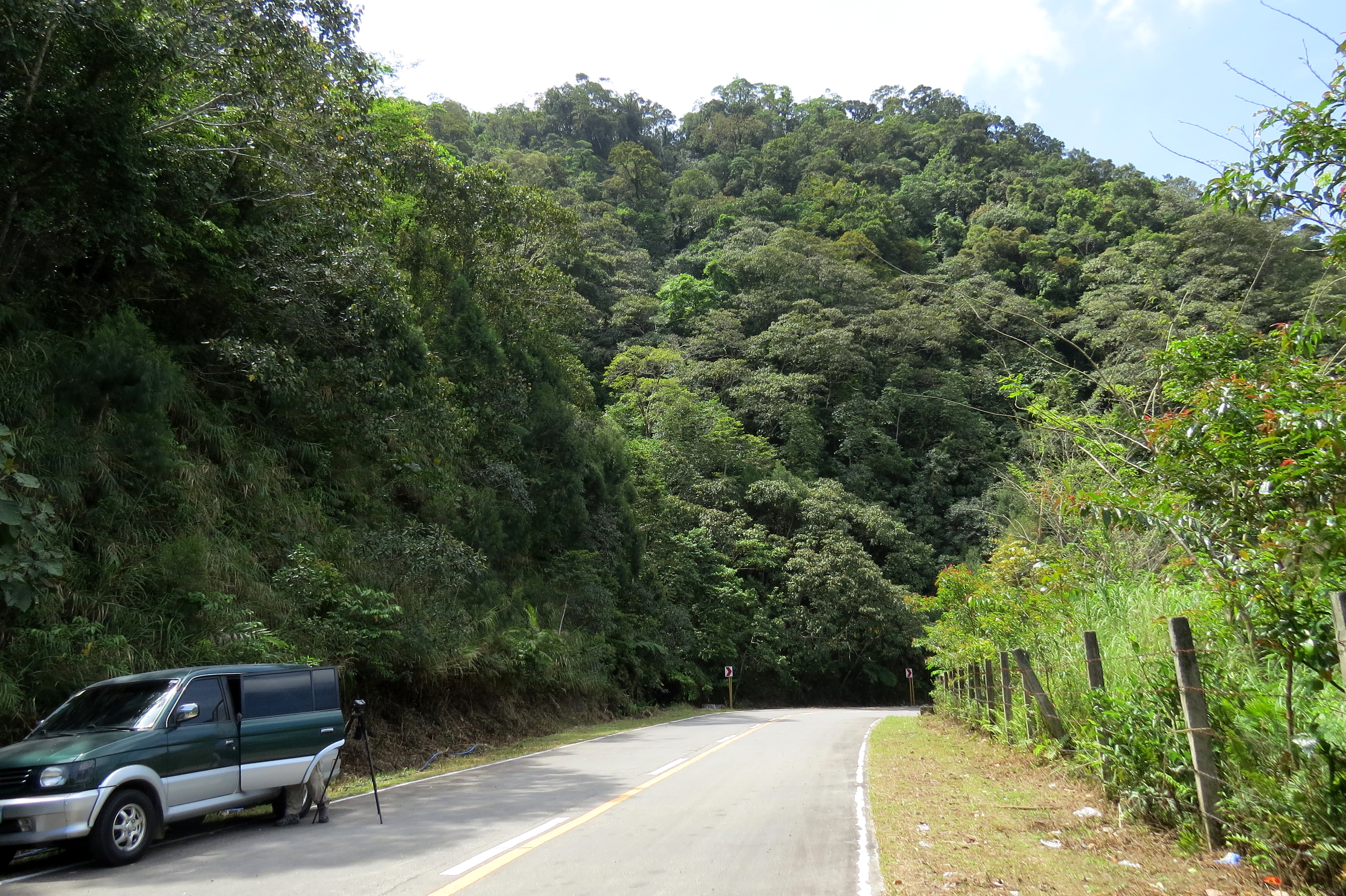
After some coordination, we were on the road to Infanta at 4AM on Wednesday and headed to the Marilaque (short for Marikina-Rizal-Laguna-Quezon) Highway, also referred to as the Infanta Road. We met up with fellow birders Homer and Brian who were already parked and scanning for birds.

Infanta-Mar28-02

We stood by the roadside, in front of a big hagimit tree. It was my first time to really become aware of this tree and I really did not know much about it except that birds flocked to feed on its fruits.
The hagimit we were looking at had huge branches where remnants of fruits could be seen. Were we too late? Had all the fruits been eaten up?! We were entertained by some Tawny Grassbirds and a few Philippine Bulbuls but no others birds showed up. It was quite early though, so we decided to move along the highway and search for a more birdier site.

Phil Bulbul-Infanta-Mar28-01
Philippine Bulbul
We discovered a lot of hagimit trees in different stages of fruiting. Some had riper fruits, while others had lots of brown, unripe fruits which had huge potential to be the birds' feeding ground in the next days. I learned later that those fruit-laden branches are called tubercles and that the hagimit is a close relative of another fig, the tibig, and they both indicate the presence of fresh water nearby.

We decided to head back to our original location and were happy to see more friends in the area. We also learned that behind the huge hagimit was a smaller one with still-ripe fruits! We joined George & ManetteSir Wins, Sir Ed, Sir Conrad, and new friend Sir Rod in the small clearing and waited for the birds to show. Sir Fidel joined us after a short while.

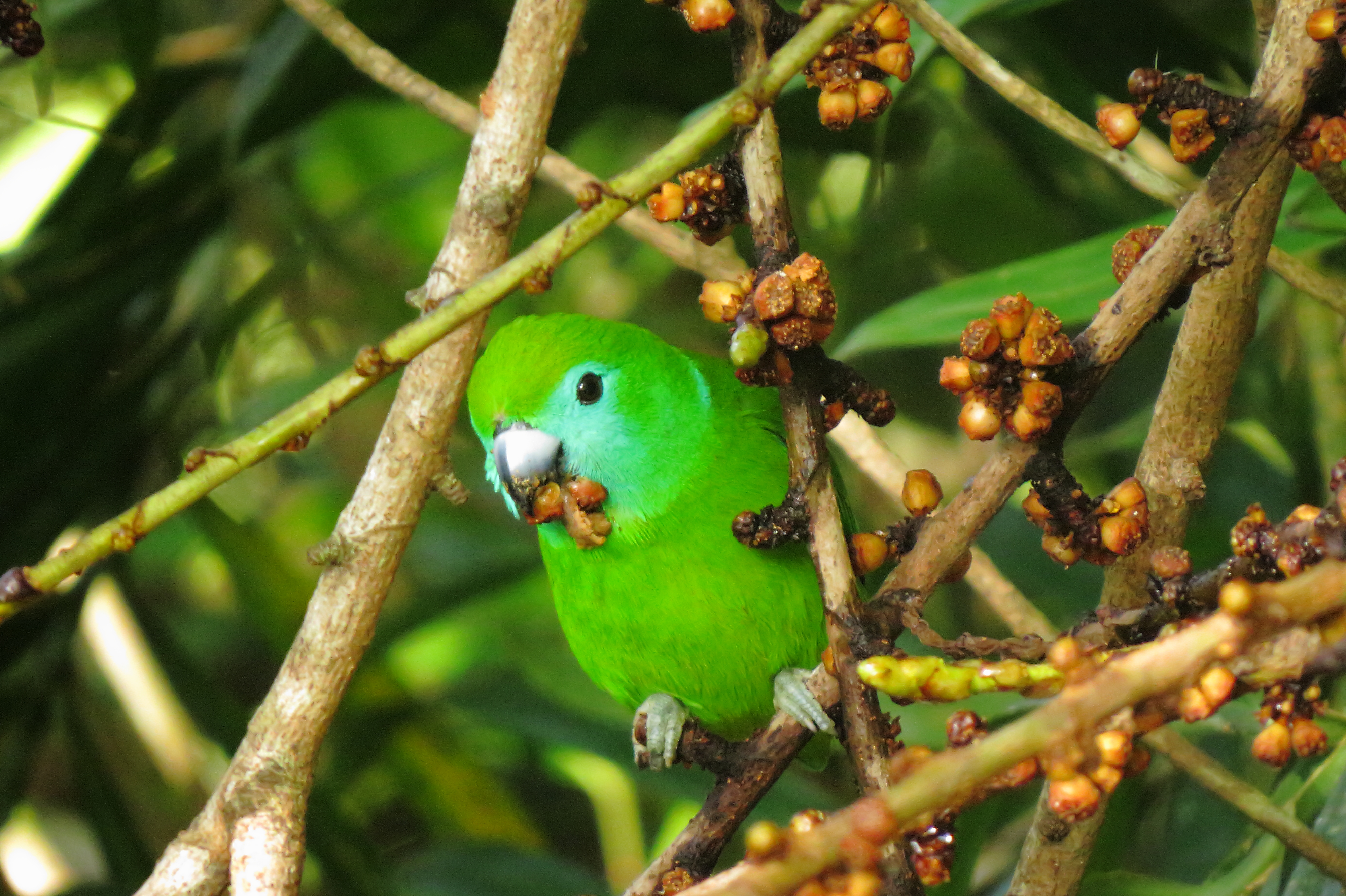
A handsome Guaiabero was very evidently enjoying its breakfast of hagimit figs as we settled into our positions, its bright green plumage both blending and standing out (does that make sense?)

Guaiabero-Infanta-Mar28-01
he handsome Guaiabero feeding on the hagimit fruits

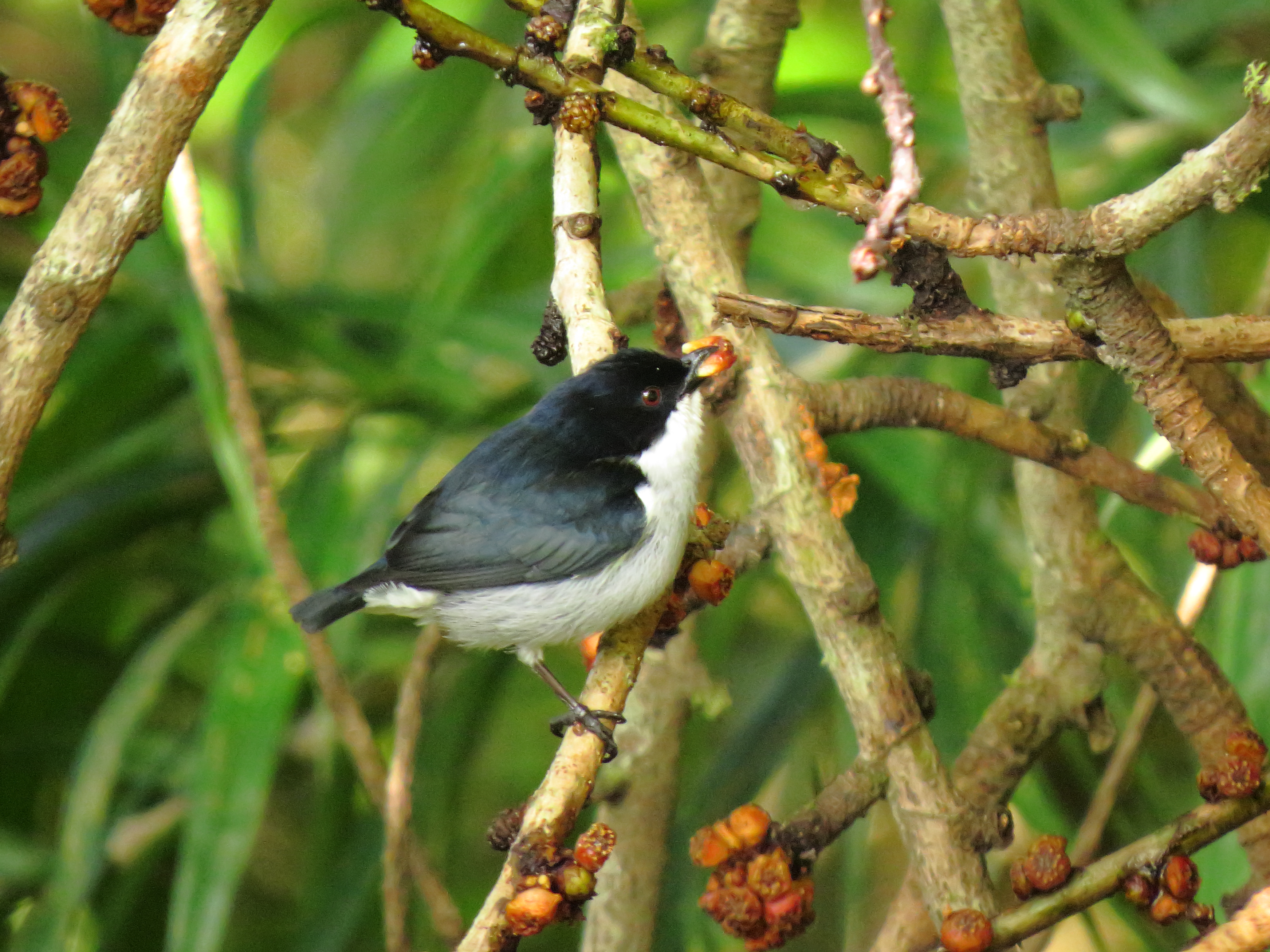
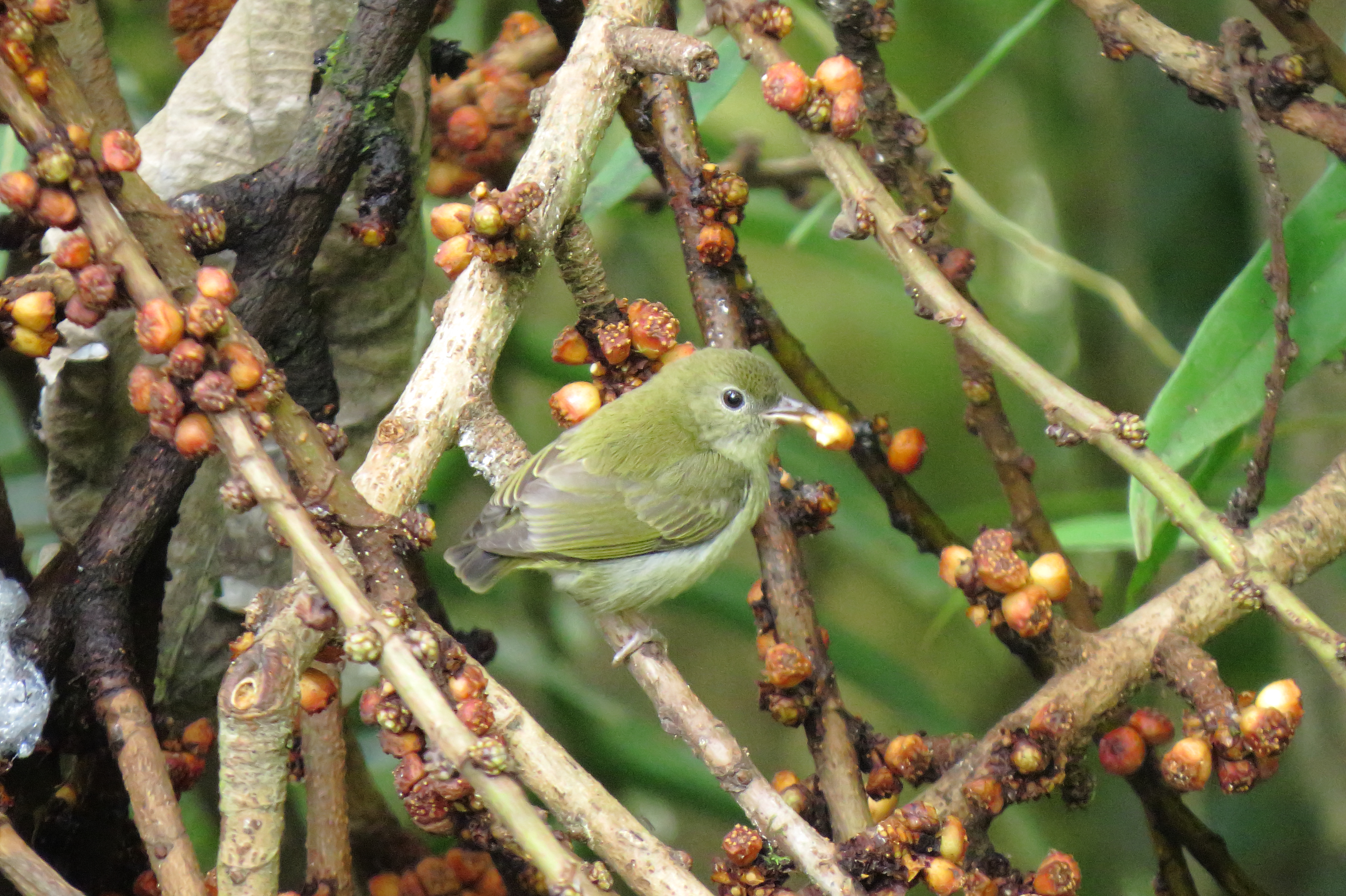
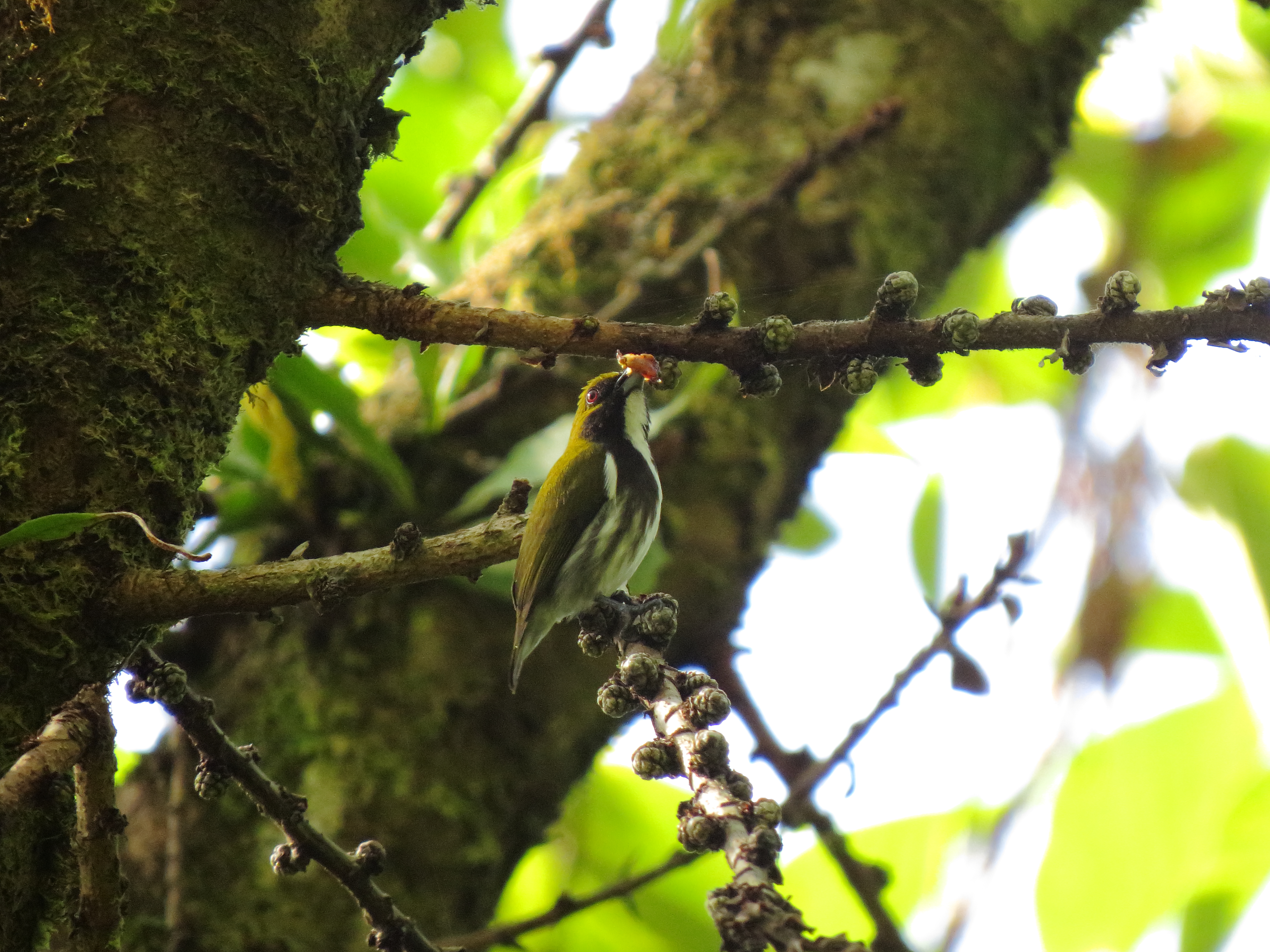
A few flowerpeckers were also feeding on the fruits in front of us. Pygmy Flowerpeckers, Bicolored Flowerpeckers, and Buzzing Flowerpeckers came and went while we had occasional views of Olive-backed Flowerpecker, which was almost immediately chased away by the others.

Bicolored-Infanta-Mar28-01
Bicolored Flowerpecker, male
Flowerpecker-Infanta-Mar28-02
Bicolored Flowerpecker, female
Olive backed FP-Infanta-Mar28-01
Can you see the Olive-backed Flowerpecker?

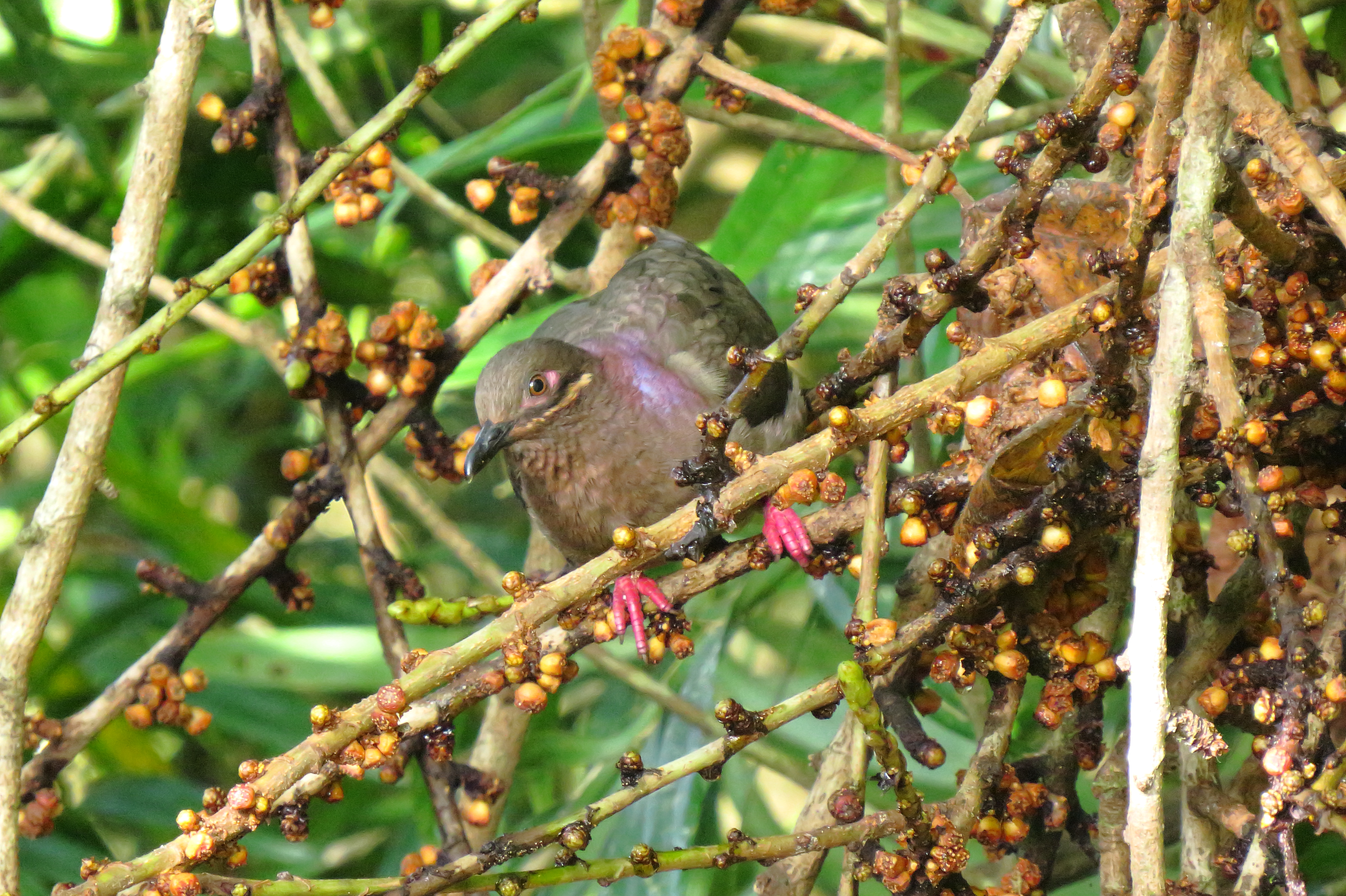
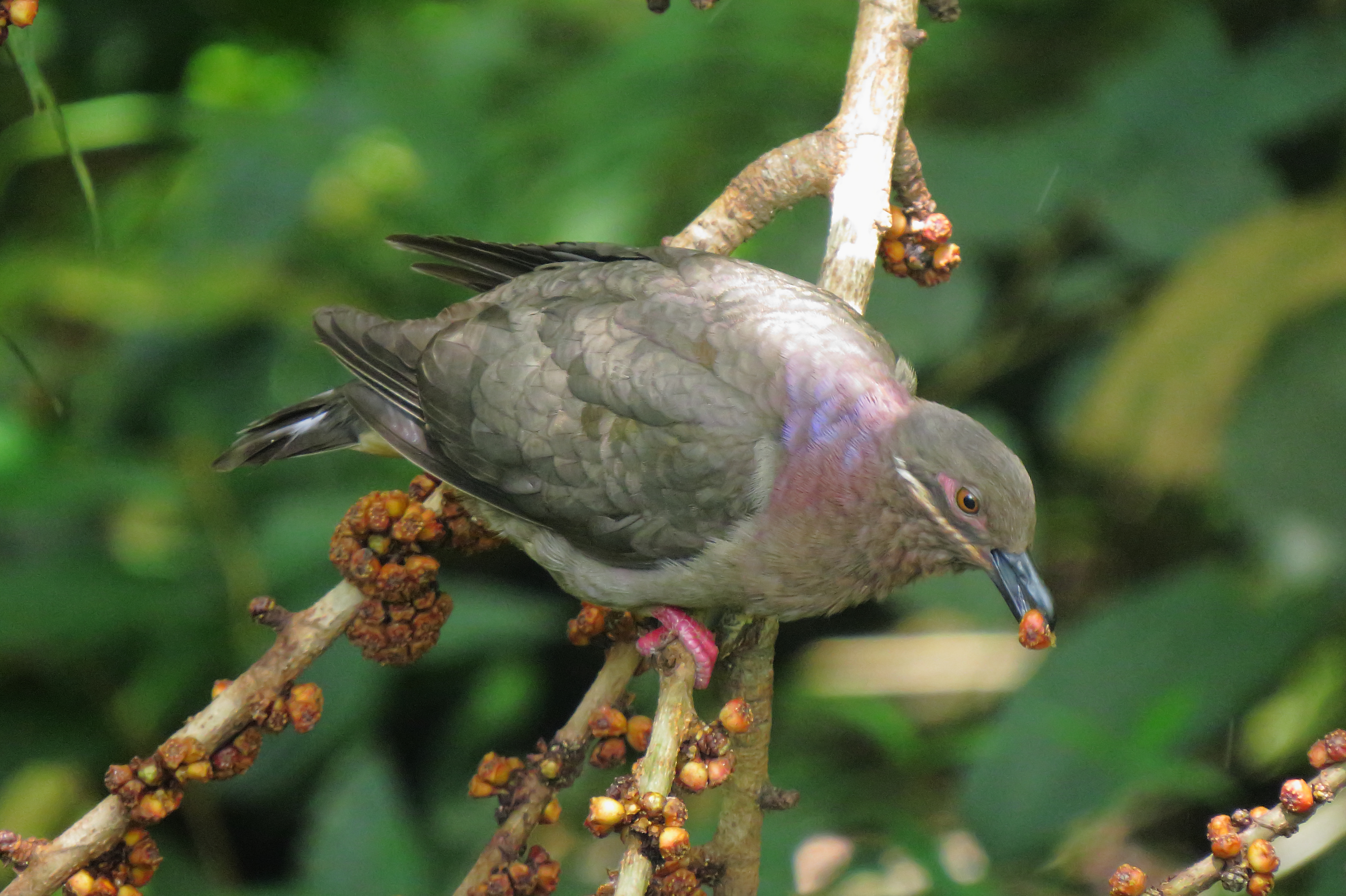
Suddenly a much bigger bird landed on the clump of fruits! My heart skipped a beat when I saw what it was: Amethyst Brown-Dove! Lifer! I've been wanting to see this bird since I started birding and as I approach my 8th birding birthday in April, I finally see it! It crawled near the Guaiabero, and started feeding on the fruits.

Amethyst BD-Infanta-Mar28-03

Amethyst BD-Infanta-Mar28-04

It stayed quite a while, eating beside the Guaiabero while flowerpeckers flitted in and out of the branches. Finally, it had its fill of fruits and it flew to a higher perch deeper into the trees where it rested for a few minutes, bathing in the morning sun.

We were waiting for the Philippine Fairy Bluebird to show, and it did! But only for a couple of seconds before it flew off again. It would call loudly from the surrounding trees but did not show.
The Olive-backed Flowerpecker made a few more appearances but always very quick and mostly on the branches above us. I managed a few shots of this very skittish bird!

Olive backed FP-Infanta-Mar28-02

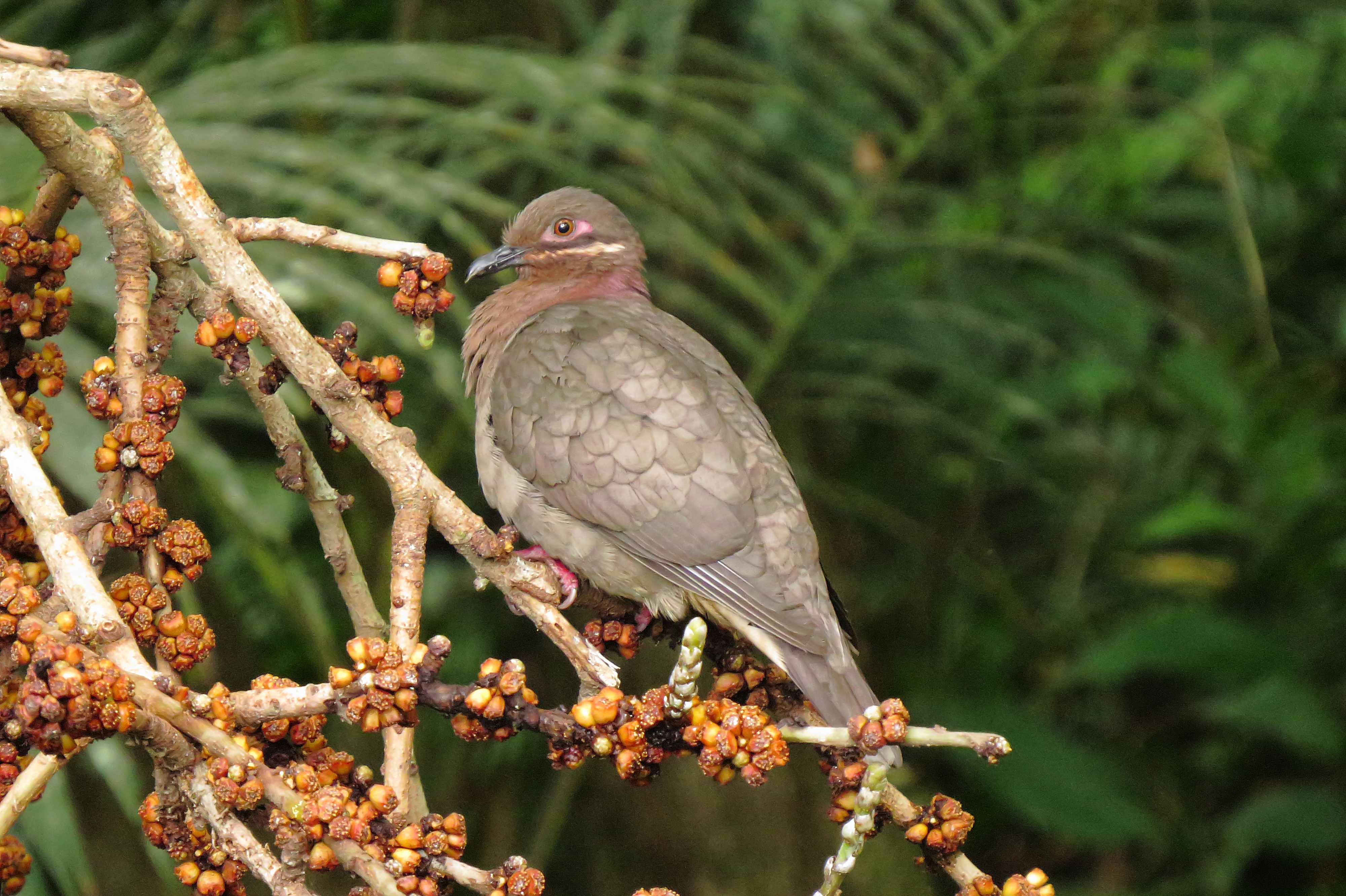
The Amethyst Brown-Dove also made a repeat appearance, this time coming out into the open to feed. It was such a pretty bird to observe, it's colors very muted and pastel!

Amethyst BD-Infanta-Mar28-02

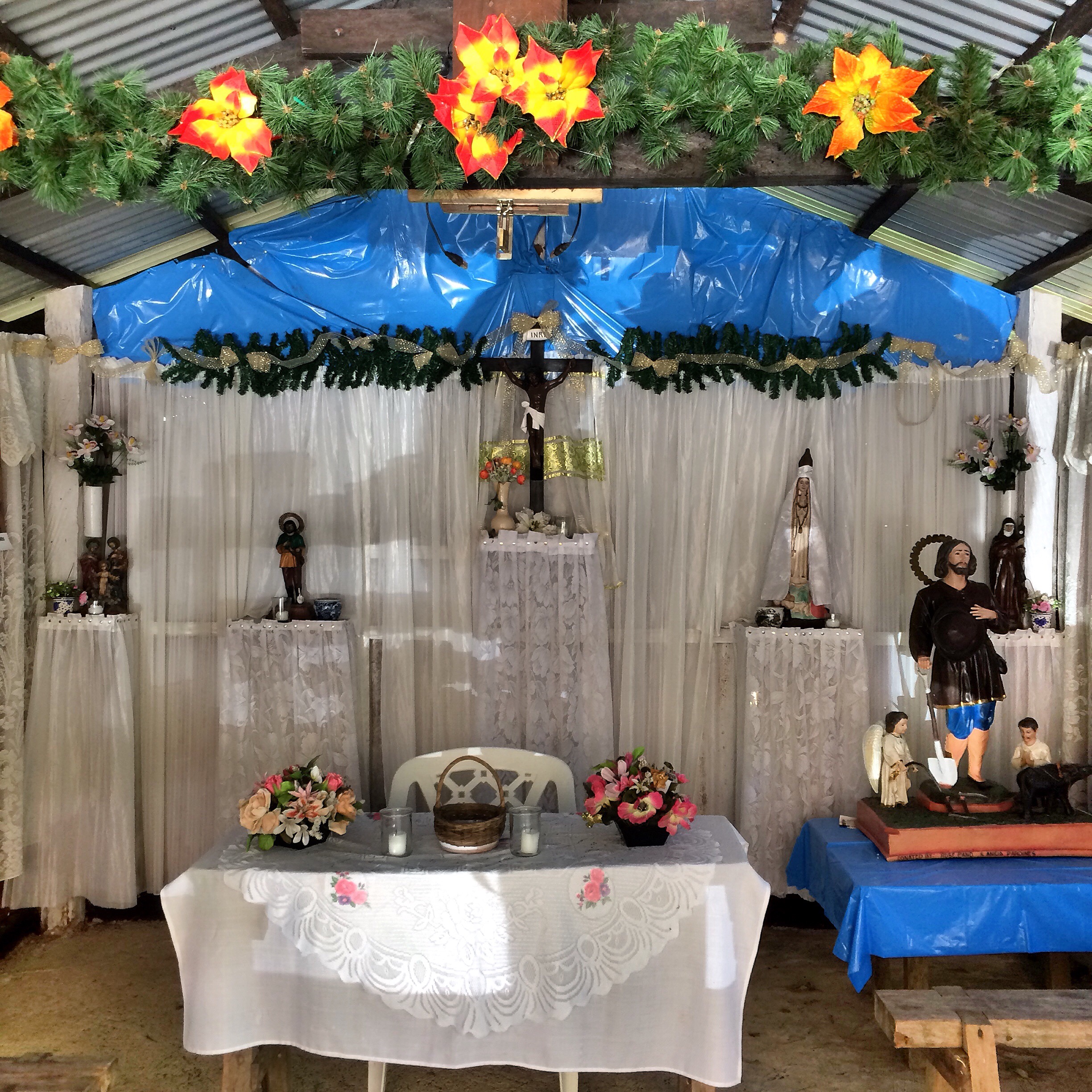
It was nearing lunch time when the dove finally flew off again and we also decided to head towards the small chapel and have a lunch break as well.

IMG_6261
The altar of the small chapel

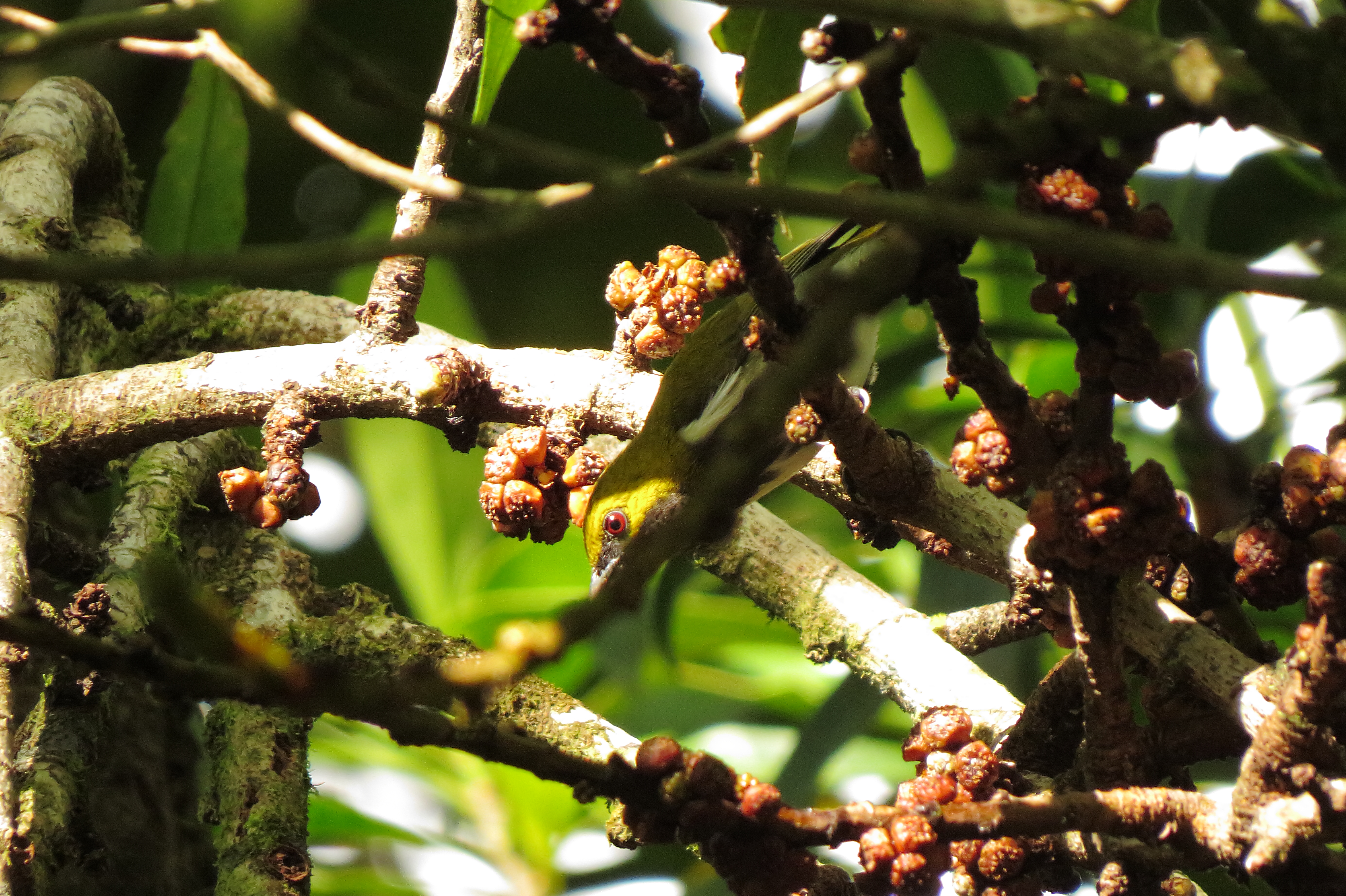
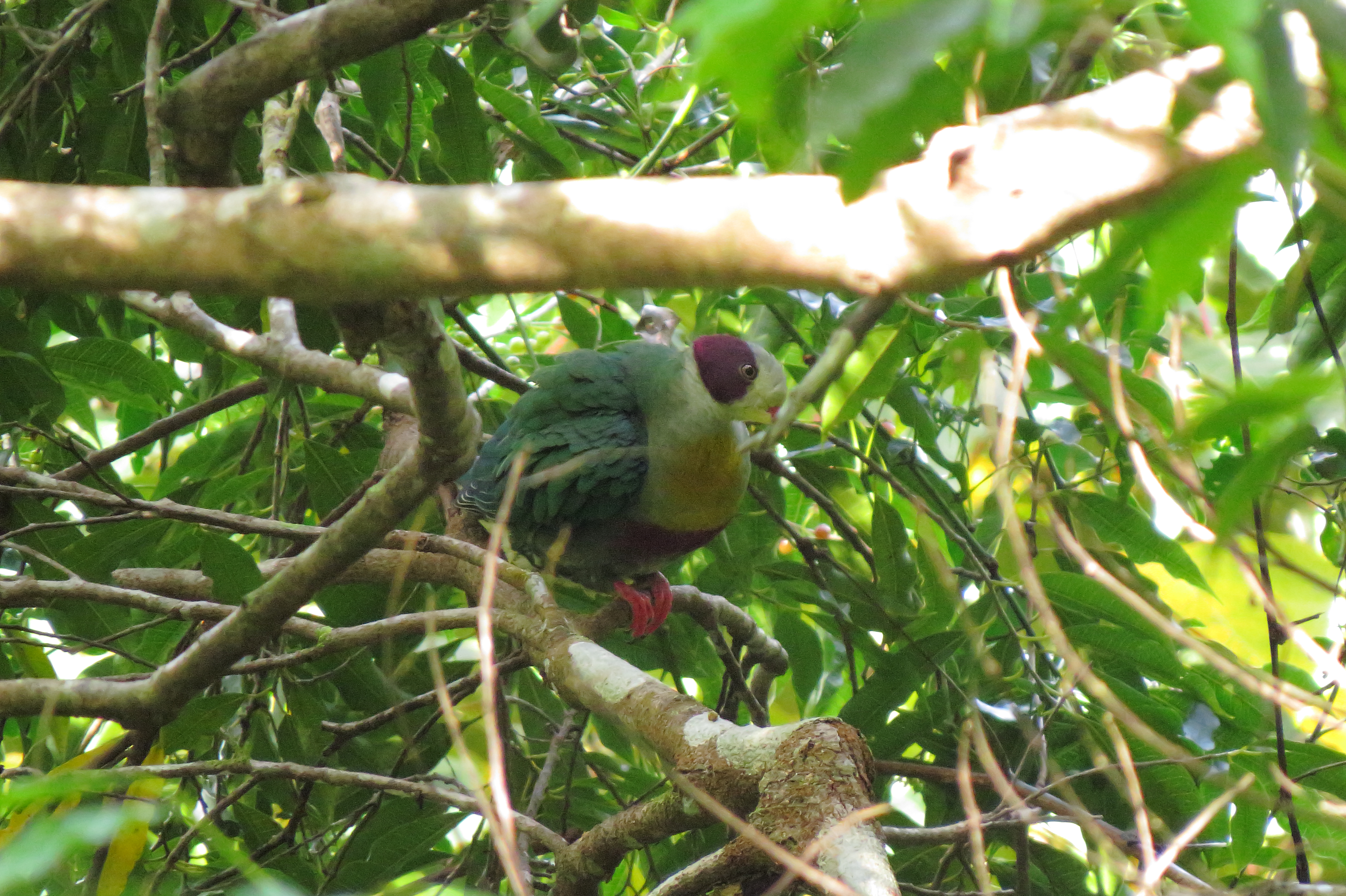
After lunch, it was back on the road and in search of more birds. We stopped at another fruiting hagimit tree (there were so many along the road now that I was aware of what they looked like!) Aside from the usual flowerpeckers, there were no other birds, so we decided to just go back to our original site. We were boarding our cars when Sir Conrad approached us and showed us a photo he just took of a dove! Possibly a Cream-bellied Fruit-Dove! He was shown the bird by a friendly local, Francis. We all quickly moved to the area Francis was pointing to and he showed us the bird. It turned out to be a Yellow-breasted Fruit-dove, my second lifer of the trip! We had to squat, kneel, crouch to get clearer views of the bird, but it stayed partially hidden behind branches and leaves.

Yellow breasted-Infanta-Mar28-04
Didn’t get any clear and out-in-the-open photos,
but I was happy already seeing the bird!
  
Here is a wonderful shot of the Yellow-breasted Fruit-Dove
taken and generously shared with me by WBPP President Win Paler =)

We moved back to our original site and also checked out an area where Manette spotted a Philippine Trogon earlier that day. We didn't see it that afternoon though. We drove along and stopped by another hagimit tree along the road. It held a small flock of Sulfur-billed Nuthatches, Yellowish White-eyes, and even a White-eared Brown-Dove. A Rufous-bellied Eagle also thermalled above us for a few seconds before disappearing behind the mountain. It was past four by then and Sir Chin and I said our goodbyes to the rest of the group when the bird activity died down.

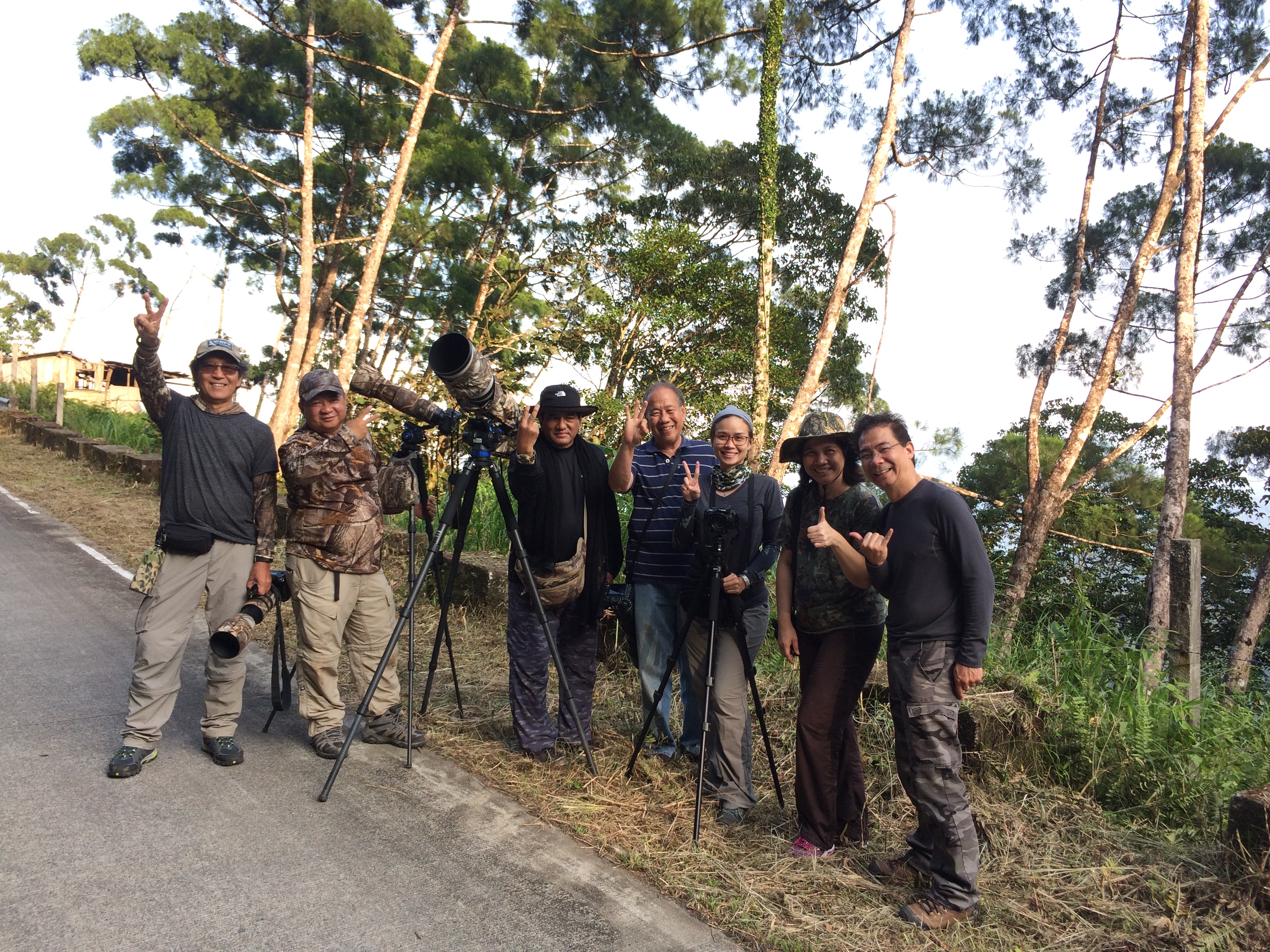
IMG_6247
Group shot, unfortunately incomplete, before Sir Chin and I
headed back to Quezon City.

It was a great day to go birding! The weather was perfect and I got two beautiful lifers, which I honestly did not expect to see. It was a day well-spent with good company, though I wish Djop had been able to join us. I guess that only means one thing: there will definitely be a next time! ;)